IoT Academy: Hands-On PCB Antenna Masterclass
Learn to measure, tune, and match PCB antennas in four weeks using real hardware.
- October 3, 2026
This live, hands-on course teaches you the workbench skills you actually need: understanding how antennas behave, taking reliable measurements, spotting problems, and tuning your PCB antenna on real hardware.
After this course, you can:
- Read an antenna datasheet and judge whether an antenna fits your design.
- Calibrate a VNA correctly and trust the measurements you take.
- Diagnose how ground planes, enclosures, and nearby materials detune your antenna.
- Calculate a matching network on the Smith chart and solder it onto real hardware.
Note
The next course starts in November 2026 and is taught in English. Each session is offered in two time slots. Choose 9:00–11:00 or 16:00–18:00, Berlin time (CET, UTC+1):
- Wednesday, 18 November 2026
- Wednesday, 25 November 2026
- Wednesday, 2 December 2026
- Wednesday, 9 December 2026
Registration closes on 4 November 2026. Places are limited to 20 participants per time slot.
Table of Contents
Motivation
At some point in their careers, most embedded developers will have to work with antennas. Yet for many, RF design still feels like black magic.
A typical story: the antenna performs well on the evaluation board, but once the PCB sits in its housing, the range drops noticeably. Discovered late, this can mean failed certification tests, another board revision, or unhappy customers. Many of these problems can be caught early, if you know how to measure and what to look for.
Because antenna integration is often an afterthought, such mistakes are easy to make, and university courses are usually too theoretical to help at the workbench. Don’t be intimidated — that’s exactly why we built this course. It teaches you to use the right tools and techniques, so you can avoid critical mistakes and tackle antenna design with confidence.
Who This Course Is For
This course is for you if you are:
- An embedded or hardware developer integrating PCB antennas into your products.
- An engineer who owns a VNA but doesn’t fully trust the measurements.
- Part of a small team without a dedicated RF specialist.
It is not the right fit if you:
- Are an RF specialist looking for EM simulation or antenna synthesis from scratch.
- Can’t work with a soldering iron on your own boards.
Masterclass stands for hands-on depth, not advanced prerequisites: basic electrical engineering knowledge is enough.
About the Course
You will learn the fundamental antenna parameters and what they reveal about your design, so you can read commercial datasheets and compare specifications without guesswork.
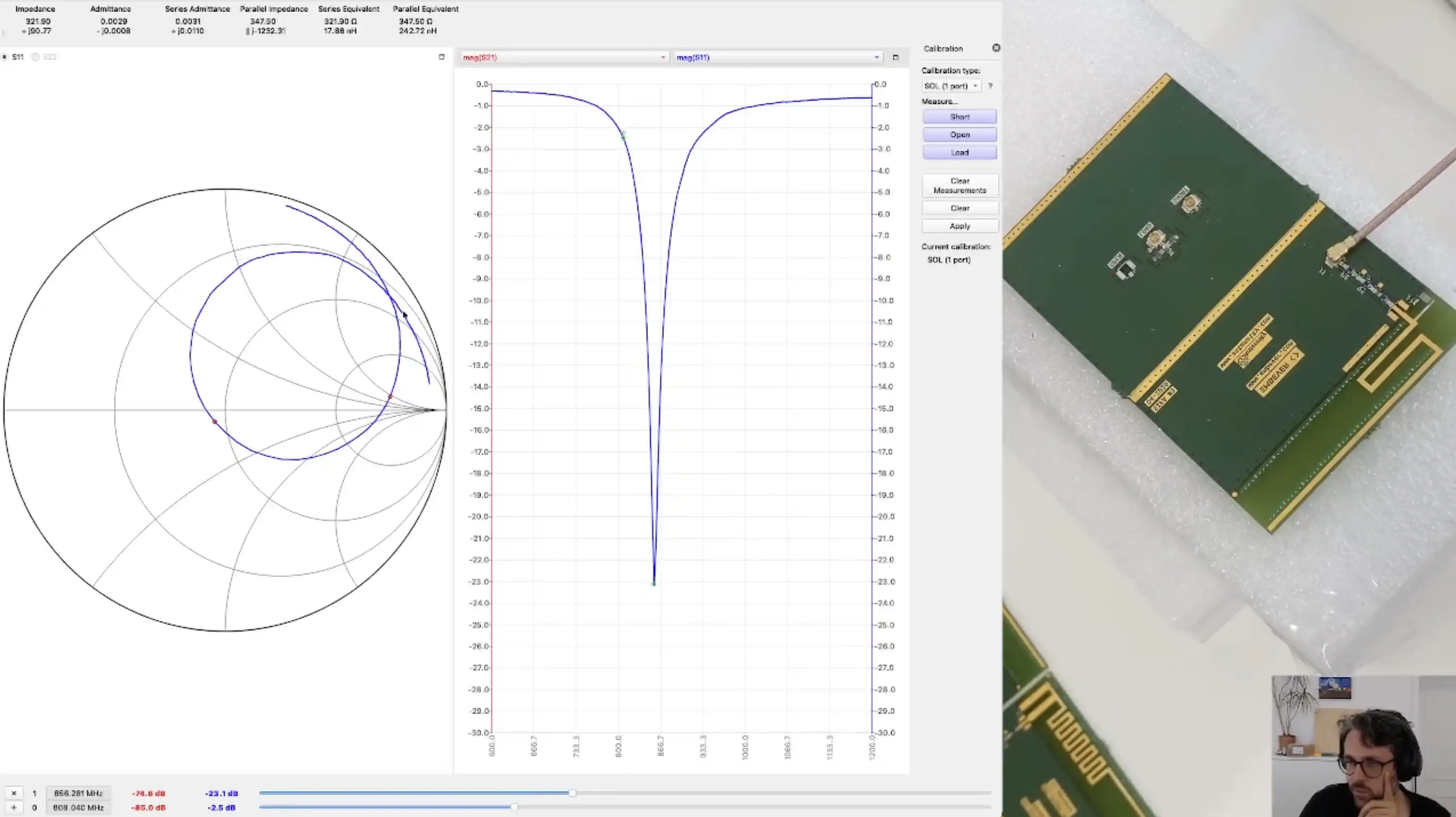
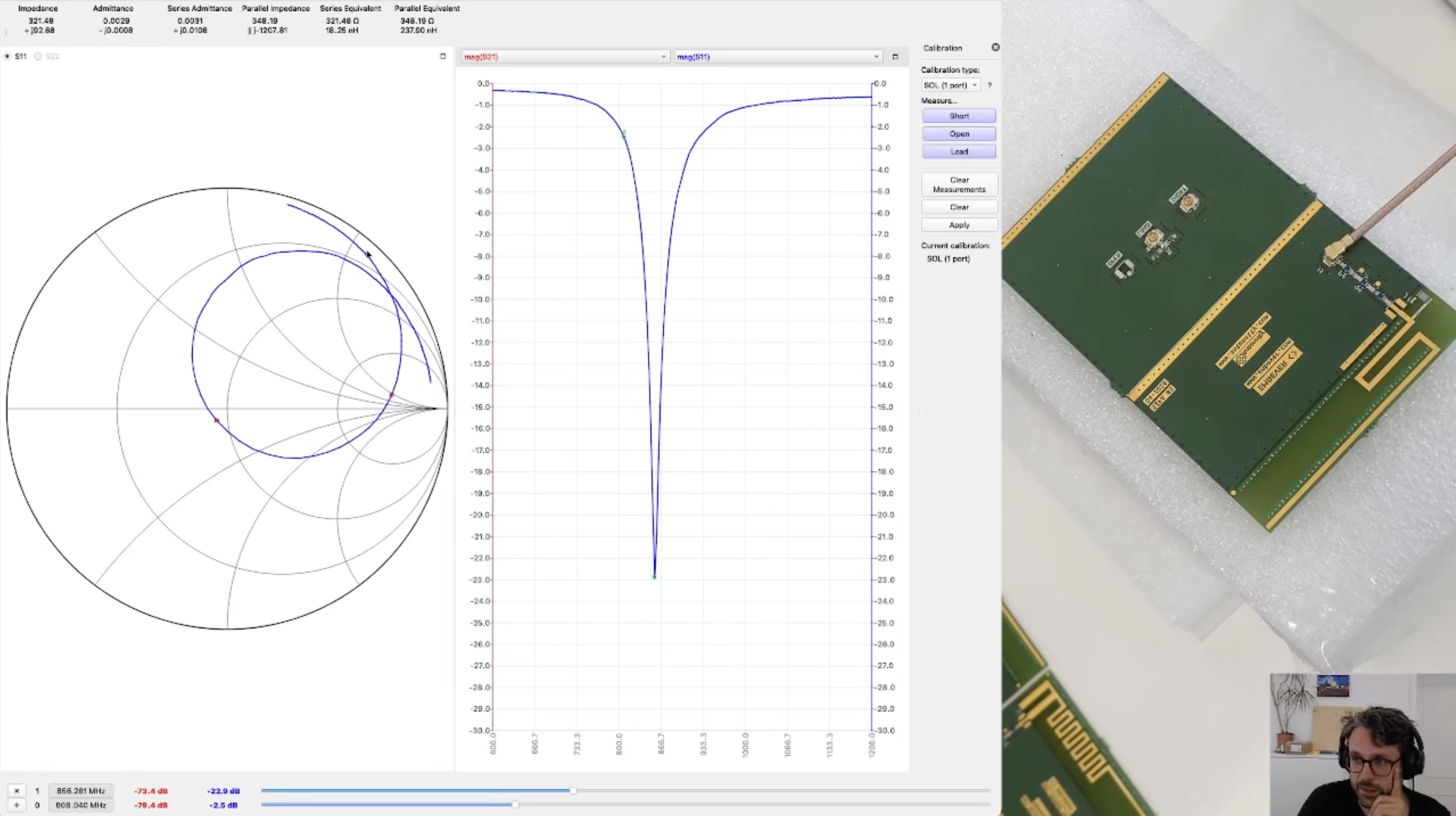
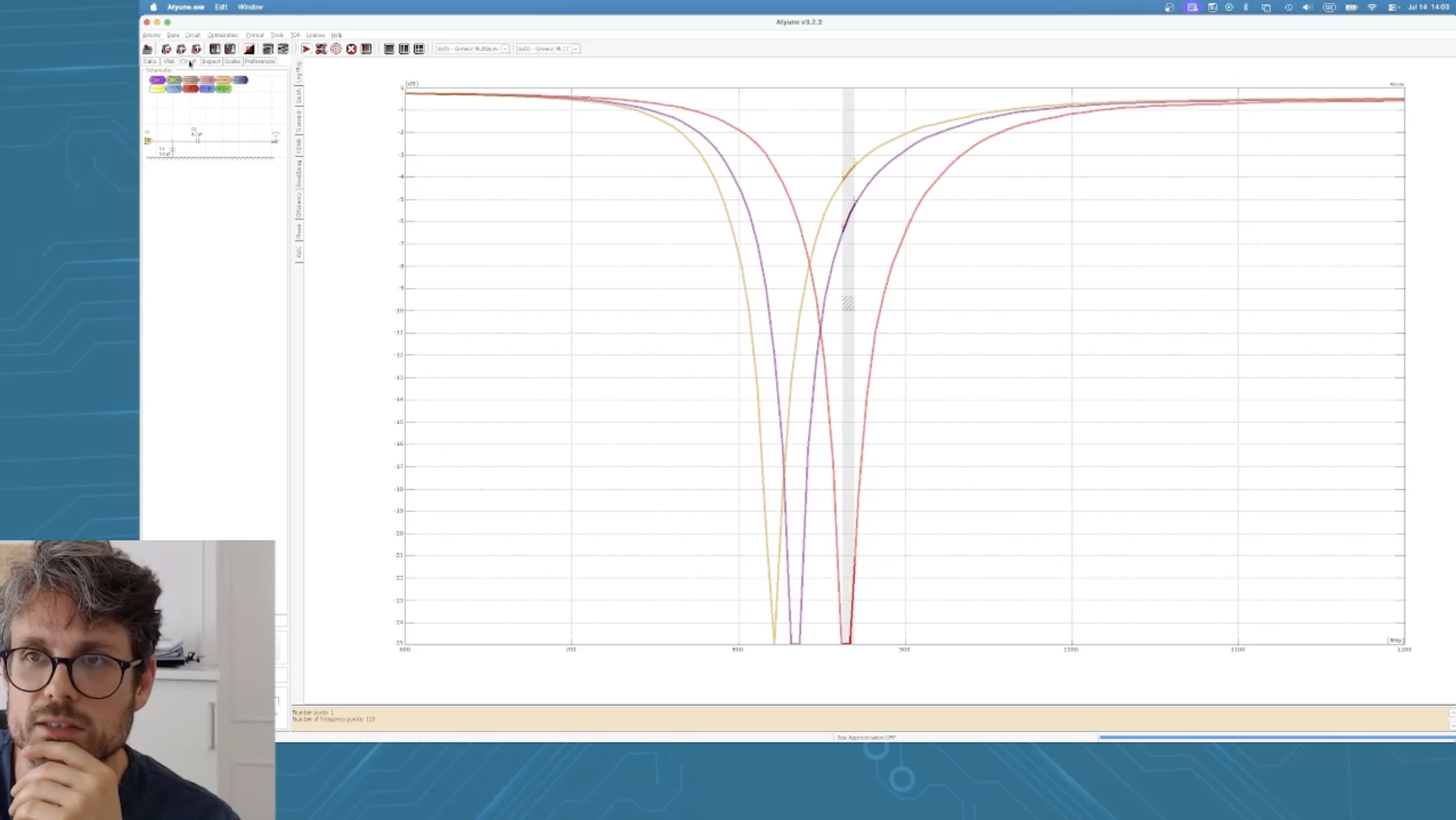
You will discover what a Vector Network Analyzer (VNA) actually measures and how to calibrate it correctly, so you can trust your results every time. With reliable data in hand, you will see how real-world factors such as dielectrics, ground planes, and enclosures change antenna behavior. Using free software, you will visualize impedance, calculate matching networks, and apply practical tuning techniques directly to your own hardware.
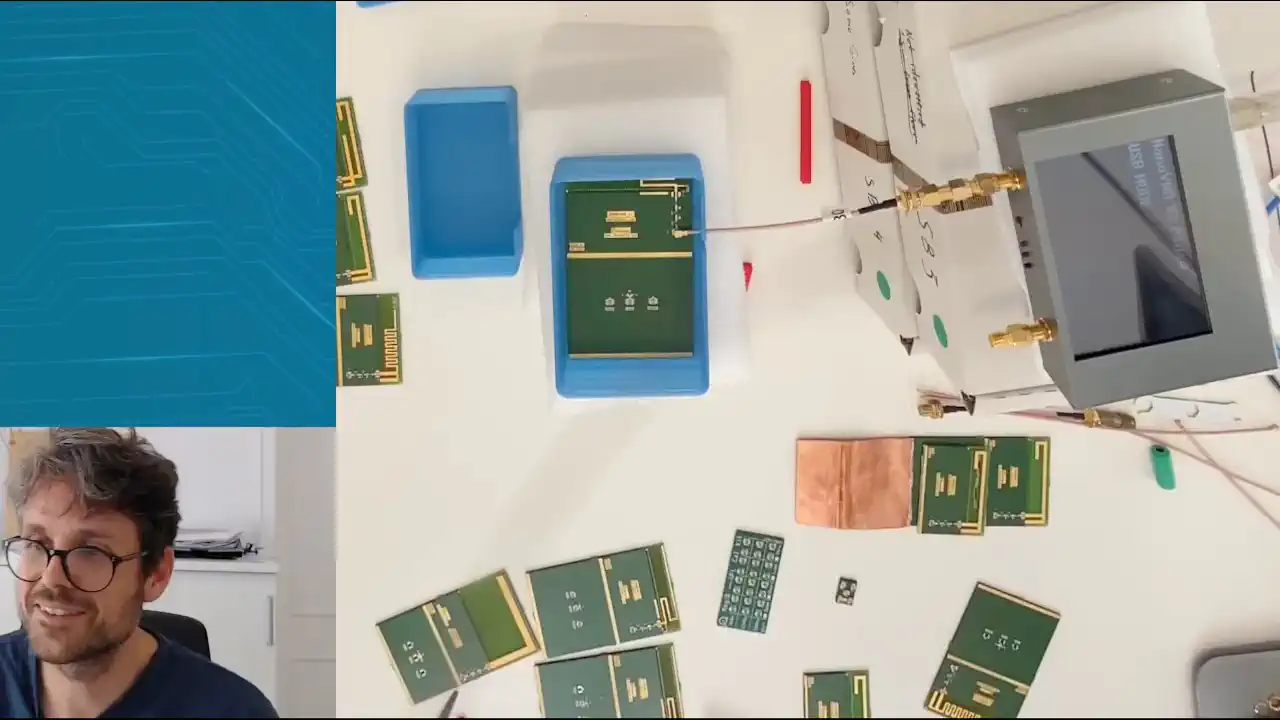
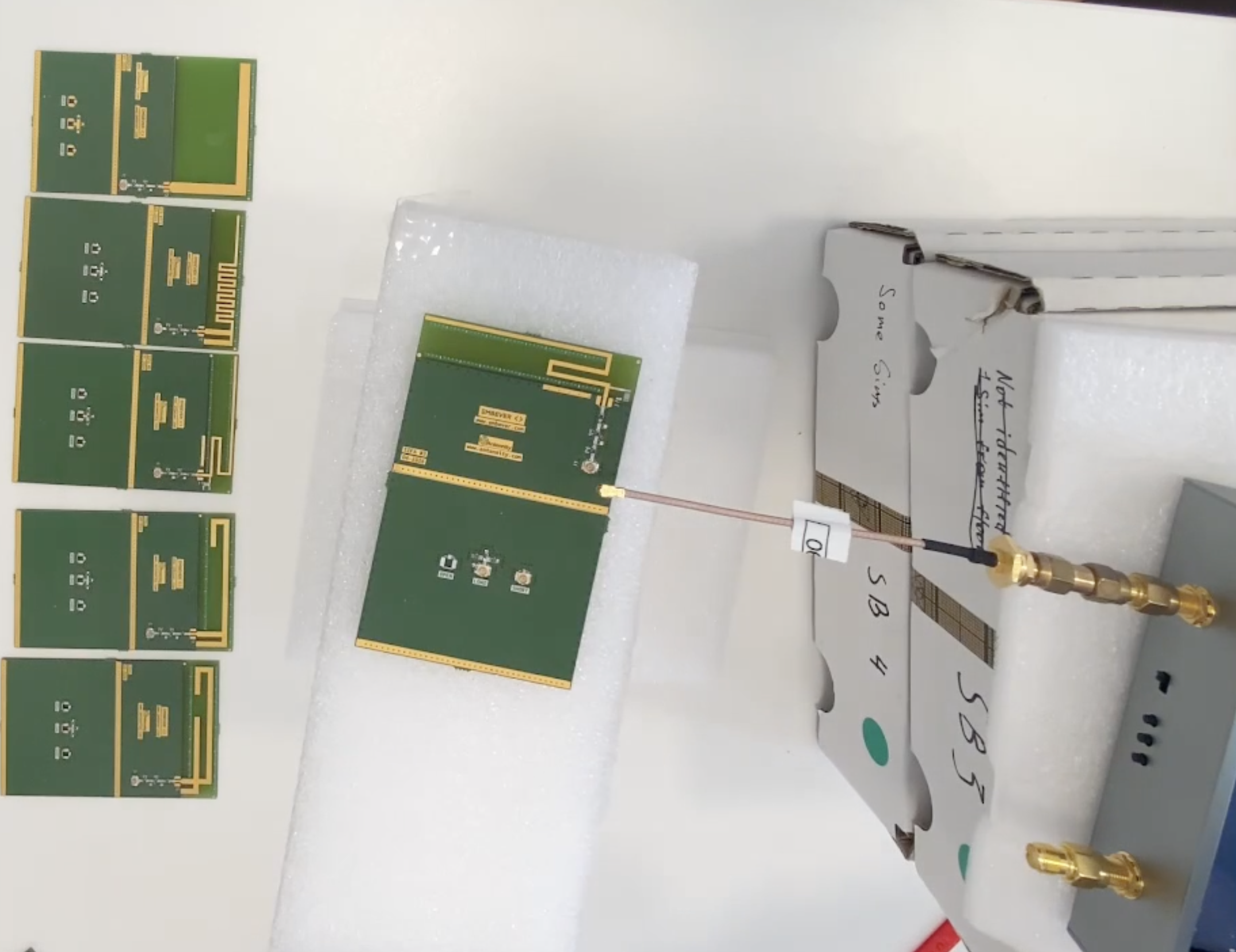
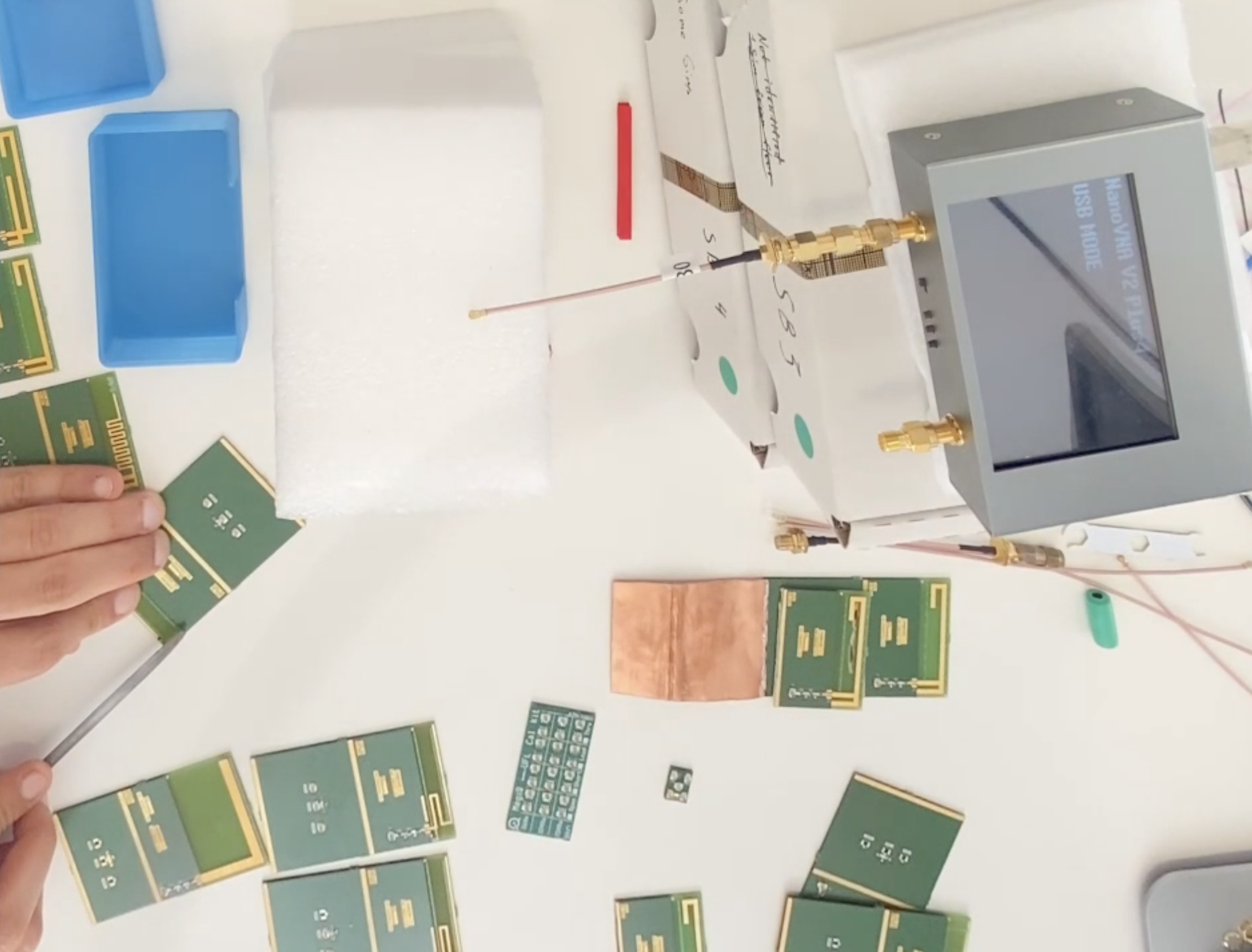
Above all, this course is practical. We cover the essential theory at an accessible level, but the focus is on doing. Instead of just watching slides, you will be guided step by step through your own live measurements, working with real PCB antennas on physical boards and your own VNA. Because we measure together in every session, you will leave with the confidence to apply these techniques at your own workbench right away.
Curriculum
Format:
- Four live sessions, one per week
- 2 hours per session
- One peer-reviewed assignment per week (2–4 hours of work)
Session structure: 15 min recap → 40 min core content → 10 min break → 40 min practical exercises → 15 min summary & Q&A
WEEK 1: Antenna Fundamentals & Datasheets
- Learn the core parameters: return loss, VSWR, efficiency, and gain.
- See how impedance relates to antenna performance.
- Read commercial antenna datasheets and judge what the specifications mean in practice.
- Take your first VNA measurements on real hardware.
Goal: Build a solid foundation and understand what your measurements are telling you.
WEEK 2: VNA Basics & Calibration
- Find out exactly what a VNA measures.
- Learn why calibration matters and when it is required.
- Apply practical calibration rules and avoid common mistakes.
- Account for the effect of cables, adapters, and extensions on your measurements.
- Practice until your results are repeatable.
Goal: Set up your VNA with confidence and trust the measurements you take.
WEEK 3: Antenna Detuning & Tuning
- Explore how dielectrics, ground planes, enclosures, and nearby materials detune an antenna.
- Measure how real-world hardware shifts the resonance frequency.
- Tune real antennas hands-on with the Freetrack Antenna Kit, for example by trimming the antenna structure.
Goal: Learn to diagnose antenna detuning and correct it on the antenna itself.
WEEK 4: Smith Chart & Impedance Matching
- Use the Smith chart to visualize impedance and spot matching opportunities.
- Learn why matching networks work and how to calculate them.
- Solder and verify a matching network in practical exercises at your own desk.
- Walk through the complete antenna tuning workflow, from measurement to a matched antenna.
- Final Q&A and course wrap-up.
Goal: Put the complete workflow together, from first measurement to a well-matched antenna.
Earning a Certificate
RF design is learned by doing. To make sure you truly master the concepts, you can complete one hands-on assignment each week and earn a certificate. Expect 2–4 hours of work per assignment, due before the next session.
Every submission is peer-reviewed by a fellow participant. You get direct feedback on your workbench results and see how other engineers approach the same RF challenges. If an assigned reviewer drops out, the instructor reviews your submission instead.
Once you have submitted all four weekly assignments and completed your assigned peer reviews, you will receive a digital Certificate of Completion from the IoT Academy — a formal record of your professional development and hands-on RF training.
Required Equipment
This is a hands-on course, so you will need your own hardware to participate fully.
Order the kit by 4 November 2026. It ships from China, so allow enough time for delivery. Please have all equipment ready at least one week before the course starts.
1. Freetrack Antenna Kit
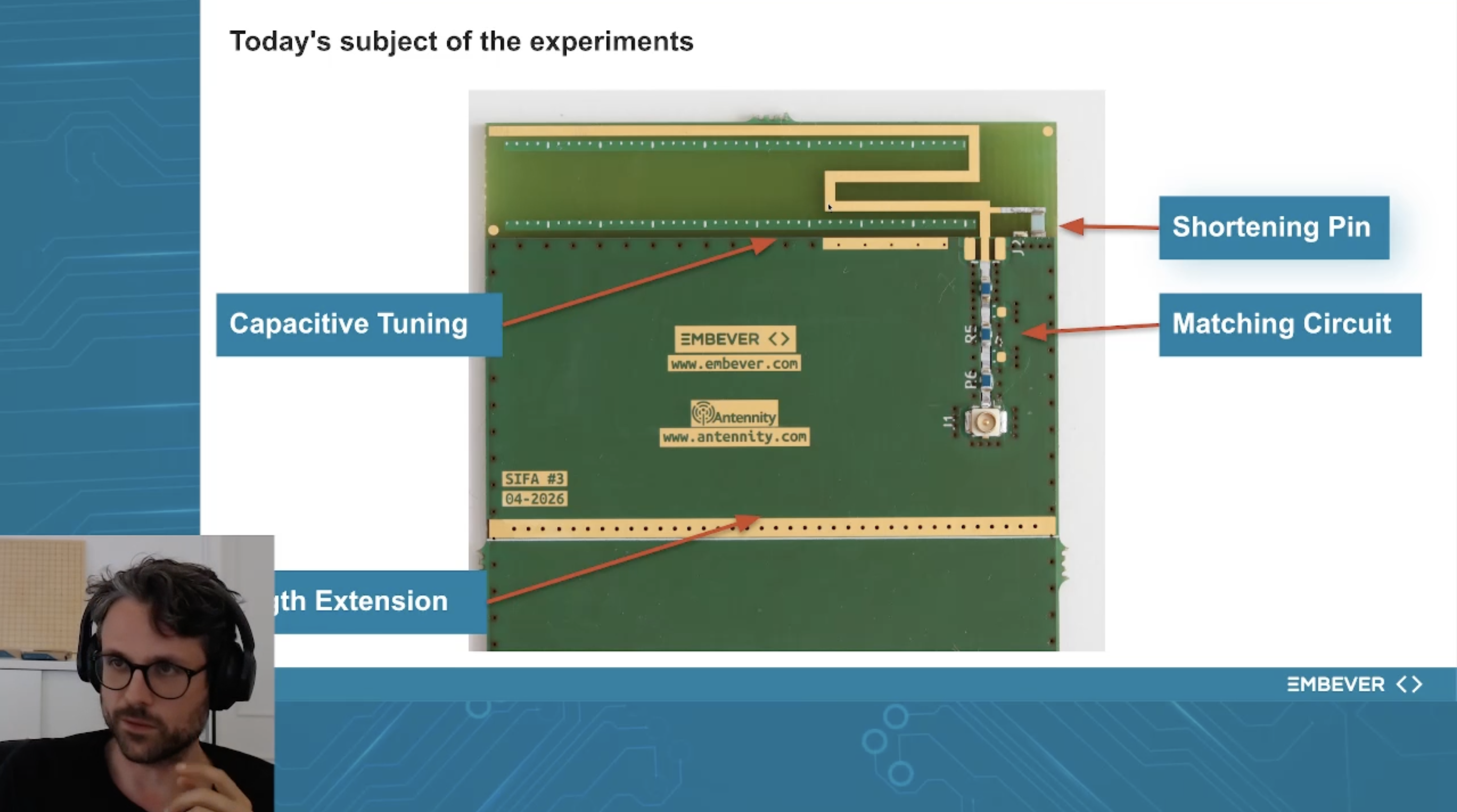
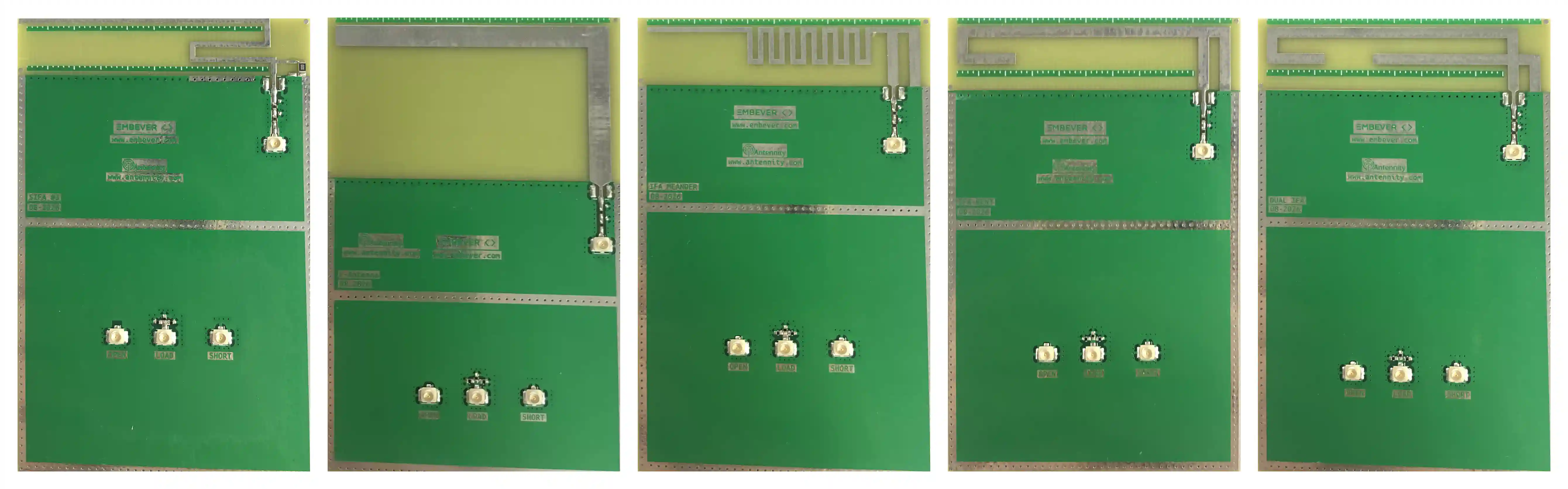
The Freetrack Antenna Kit is used throughout the practical exercises. It consists of five PCBs with different planar PCB antennas, covering the 800–900 MHz and 1800 MHz bands:
- L antenna
- F antenna
- Dual-F antenna
- S-shaped F antenna
- Meandered F antenna
It also includes a VNA calibration kit (open, short, load).
The kit is available from Elecrow with worldwide shipping.
Because the kit is required for the course, each kit comes with a 100 EUR coupon code that you can apply to the course fee at checkout (see how).
2. VNA
You will also need a Vector Network Analyzer. In the course we use the NanoVNA V2 Plus4, but any VNA covering at least 2 GHz will work.
You can buy the NanoVNA V2 Plus4 from the official site.
3. RF Cables and Adapters
You will need:
- 2× port savers: SMA female jack to SMA male plug, straight adapter
- 3× coax cables: SMA male to U.FL
You can buy these as a bundle from Superbat.
4. Software
To capture Touchstone (.sNp) files with your NanoVNA, we use the open-source NanoVNA-QT, which runs on Windows, macOS, and Linux.
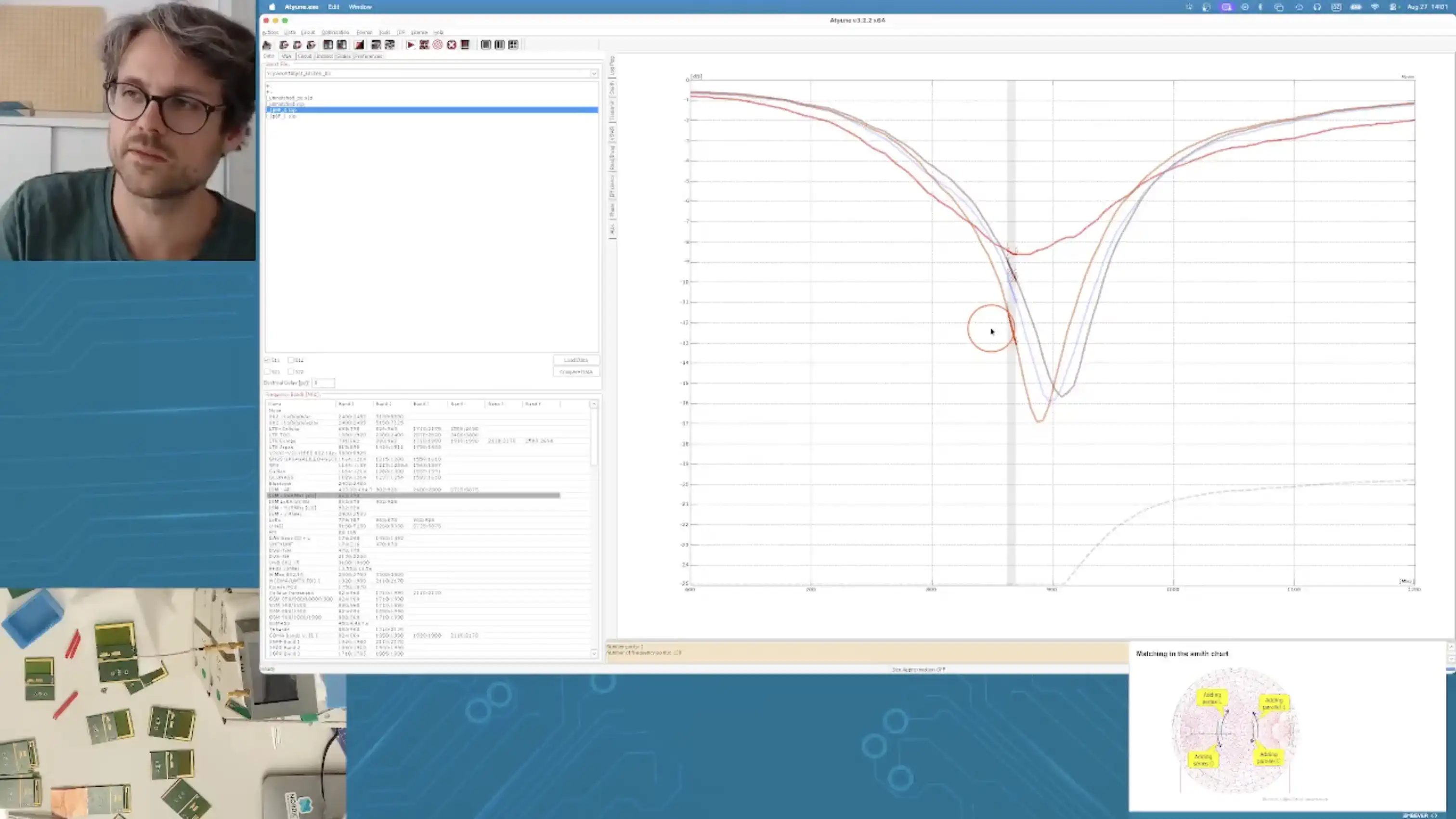
To analyze these files, we use the free software Atyune. It is only available for Windows, but you can run it on macOS and Linux using Wine or CrossOver.
5. Tools
For modifying the PCBs:
- Soldering iron
- File or multifunction rotary tool (e.g. Dremel)
- Copper tape (nice to have)
What it costs in total
| Item | Approx. cost | Note |
|---|---|---|
| Course fee | 400 EUR | excl. VAT |
| Coupon from the kit | −100 EUR | applied at checkout |
| Freetrack Antenna Kit | 150 USD | incl. typical shipping |
| NanoVNA V2 Plus4 | 300 USD | incl. shipping; skip if you already own a VNA covering 2 GHz |
| Cables and adapters | 10 USD | Superbat bundle |
| Tools | — | usually already on your bench |
| Total | 300 EUR + 460 USD |
Hardware prices are approximate and may vary with shipping and exchange rates.
Tip
The hardware is essential for the practical exercises. This course is built around measuring and tuning a physical antenna yourself, not just watching someone else do it.
Your Instructor
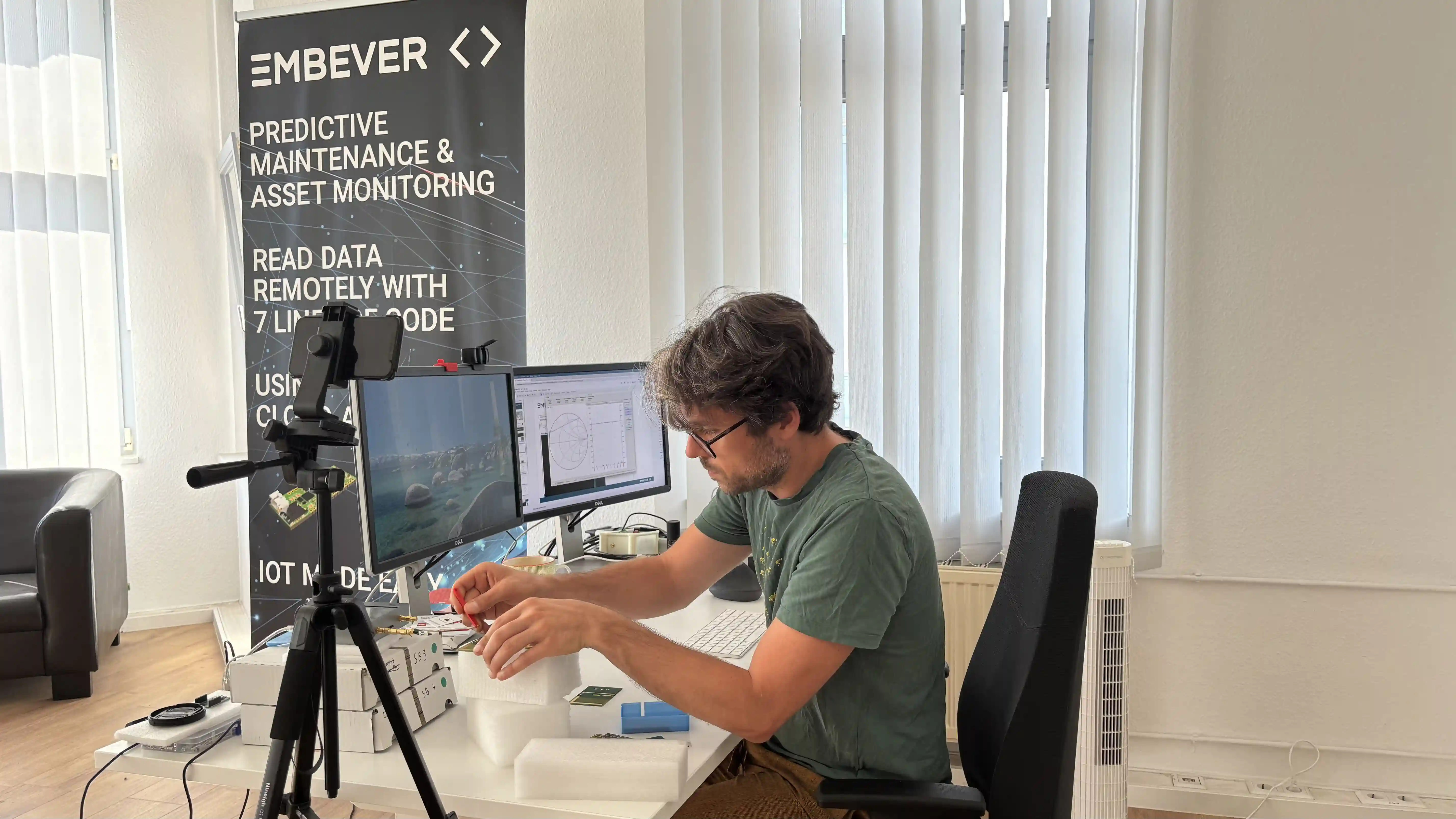
Sascha Thiergart will guide you through every live session. He has 10 years of experience developing wireless products and is Managing Director Technology at Embever, where the Freetrack Antenna Kit was created. He focuses on the practical steps needed to measure, match, and tune antennas on real hardware.
His goal is simple: help you understand what is happening on your PCB and know what to do about it.
Connect with Sascha on LinkedIn.
Community and Communication
All sessions take place online as live webinars, using a video conferencing tool such as Zoom, Google Meet, or Discord. Details will be shared before the course begins.
Outside the sessions, we communicate via a Discord server with dedicated group channels, where course materials and assignments are also shared. You will need a free Discord account.
Ask Sascha questions, discuss your measurements, exchange ideas, and share your designs with fellow participants.
All sessions are recorded and made available to participants after each session. If you miss a live session, you can watch the recording at any time. Recordings, course materials, and the Discord community remain available after the course ends, so you can keep learning and applying your new skills.
Registration and Payment
Info
The course fee is 400 EUR excl. VAT, payable in advance of the course start.
After registering, you will receive an email with a payment link. At checkout, you can enter your VAT number and company details if required, and you will receive an invoice by email after payment. If you prefer to pay by bank transfer, please include your billing address and VAT/tax details in the message field.
Registering a team? Every additional participant from the same company gets 30% off the course fee.
This is the first cohort of the course, so you learn in a small group with direct access to the instructor and help shape future editions.
Places are limited to 20 participants per time slot. Registration closes on 4 November 2026.
Tip
How to use your 100 EUR coupon:
- Buy the Freetrack Antenna Kit.
- Find the coupon code in the kit’s box.
- Register using the form below.
- Open the payment link from the email and enter the coupon code at checkout.
Cancellation and refunds: You get a full refund if you cancel by 4 November 2026. After that date, no refund is possible. Each time slot needs at least 3 participants. If this minimum isn’t reached, the course will start later, and the cancellation deadline is extended accordingly, so you can still cancel for a full refund.
Next Course Dates
Note
The next course starts in November 2026 and is taught in English. Each session is offered in two time slots. Choose 9:00–11:00 or 16:00–18:00, Berlin time (CET, UTC+1):
- Wednesday, 18 November 2026
- Wednesday, 25 November 2026
- Wednesday, 2 December 2026
- Wednesday, 9 December 2026
Registration closes on 4 November 2026. Places are limited to 20 participants per time slot.
FAQ
No prior RF or antenna experience is needed — a basic knowledge of electrical engineering is enough. The course starts with the fundamentals and gradually moves on to practical measurement, tuning, and matching.
It is a hands-on masterclass. Every live session includes practical exercises on real hardware.
The course is taught in English.
Yes. You will need the Freetrack Antenna Kit and a VNA to take part in the practical exercises.
The course is designed around the NanoVNA V2 Plus4, together with the required cables and adapters. Any other VNA covering at least 2 GHz will also work.
Yes. If you complete all four weekly assignments and your peer reviews, you will receive a digital Certificate of Completion from the IoT Academy.
Yes. You get a full refund if you cancel by 4 November 2026. After that date, no refund is possible.
Each time slot needs at least 3 participants. If this minimum isn’t reached, the course will start later, and the cancellation deadline is extended, so you can still cancel for a full refund.
Yes, as long as each time slot keeps at least 3 participants.
Yes. Every additional participant from the same company gets 30% off the course fee. For larger groups, contact us at iot-academy@embever.com.
Absolutely. Participants from anywhere in the world are welcome.
Reach out to us by email at iot-academy@embever.com.