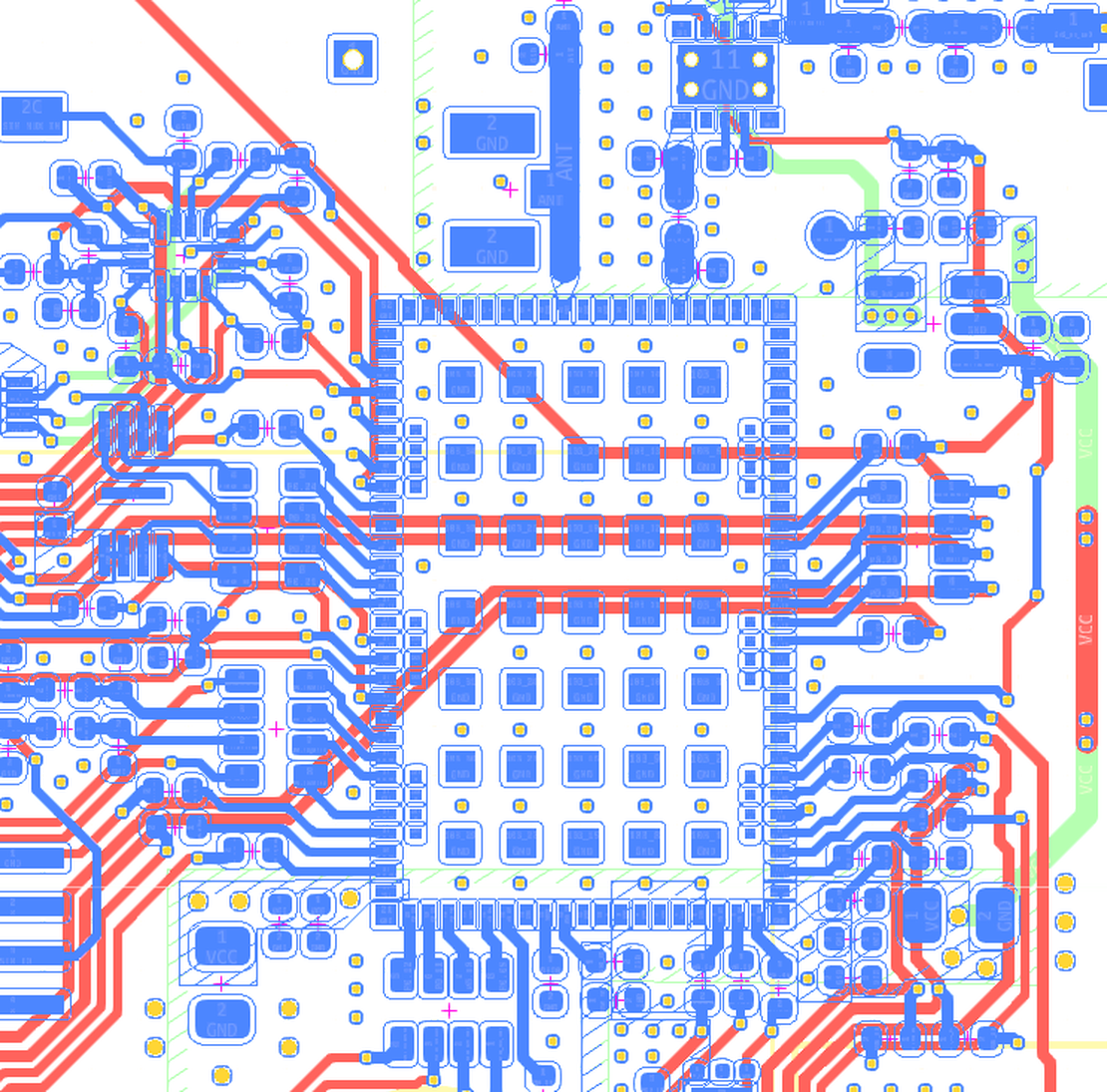
Integrate CaaM into your Device
Connect your devices and machines using CaaM
Not every IoT project starts with a blank hardware design. For OEMs of industrial equipment such as power converters, control units, and drive systems, CaaM can be integrated directly into an existing product. If your device has available interfaces and physical space, it can become cloud-connected.
Retrofit connectivity without redesigning your product
Industrial OEMs invest years developing and certifying their core product. CaaM slots in as a connectivity and cloud communication layer without altering that product’s primary functionality or requiring a hardware revision.
The module connects to your existing internal interfaces, reads the data your device already produces, and forwards it to the cloud over an encrypted connection. Your device does what it’s always done. CaaM handles the rest.
Connect to the interfaces your device already has
CaaM modules support the communication interfaces common in industrial electronics: UART, SPI, I2C, and CAN. If your power converter, inverter, or control unit exposes any of these internally, CaaM can tap into that data stream without changes to the device’s core firmware or electronics.
Embever works with your engineering team to identify the right integration point and provides reference designs and firmware examples tailored to your setup.
Your device’s data, delivered to the cloud
After integration, CaaM handles the rest: establishing an encrypted connection, managing data transmission, and making your device’s telemetry available through the Embever Cloud. Operating parameters, error states, load curves, and diagnostic data can all be streamed, stored, and acted on remotely.
This makes remote diagnostics, predictive maintenance, fleet monitoring, and over-the-air configuration practical for industrial OEMs who couldn’t justify a ground-up hardware revision to get there.
Talk to our team
If you’re an OEM looking to add cloud connectivity to an existing product, talk to our team. We’ll assess your device’s interfaces and identify the lowest-effort path to integration.